Behind the scenes of adult movie production involves coordinated teams of lighting technicians, camera operators, sound engineers, makeup artists, directors, and production managers. Every shoot follows structured pre-production planning, talent coordination, and strict health protocols. The final polished product that viewers see represents hours of technical setup, multiple retakes, strategic editing, and post-production work that most audiences never consider.
Behind The Scenes Of Adult Movie Production From Planning To The Final Edit
Most people hit play and see the finished product. They rarely think about the army of professionals who spent an entire day rigging lights, adjusting camera angles, managing talent schedules, and solving problems on the fly. Adult film production operates like any other professional film set. There are call sheets, shot lists, budgets, and post production timelines.
I started working behind the camera over a decade ago. My first day on set, I expected chaos. Instead, I walked into one of the most tightly run productions I had ever seen. The crew moved with precision. The director communicated clearly. Talent knew their marks. My girlfriend at the time asked me what it was like, and I told her it felt more like shooting a car commercial than anything scandalous. That surprised her. It surprises most people. Behind the scenes of adult movie production, the reality is far more professional than most people imagine, and it looks nothing like what eventually appears on screen.
☰
Navigate This Article
Table Of Contents For Behind The Scenes Of Adult Movie Production
Behind The Scenes Of Adult Film Production In Pleasure (2021)
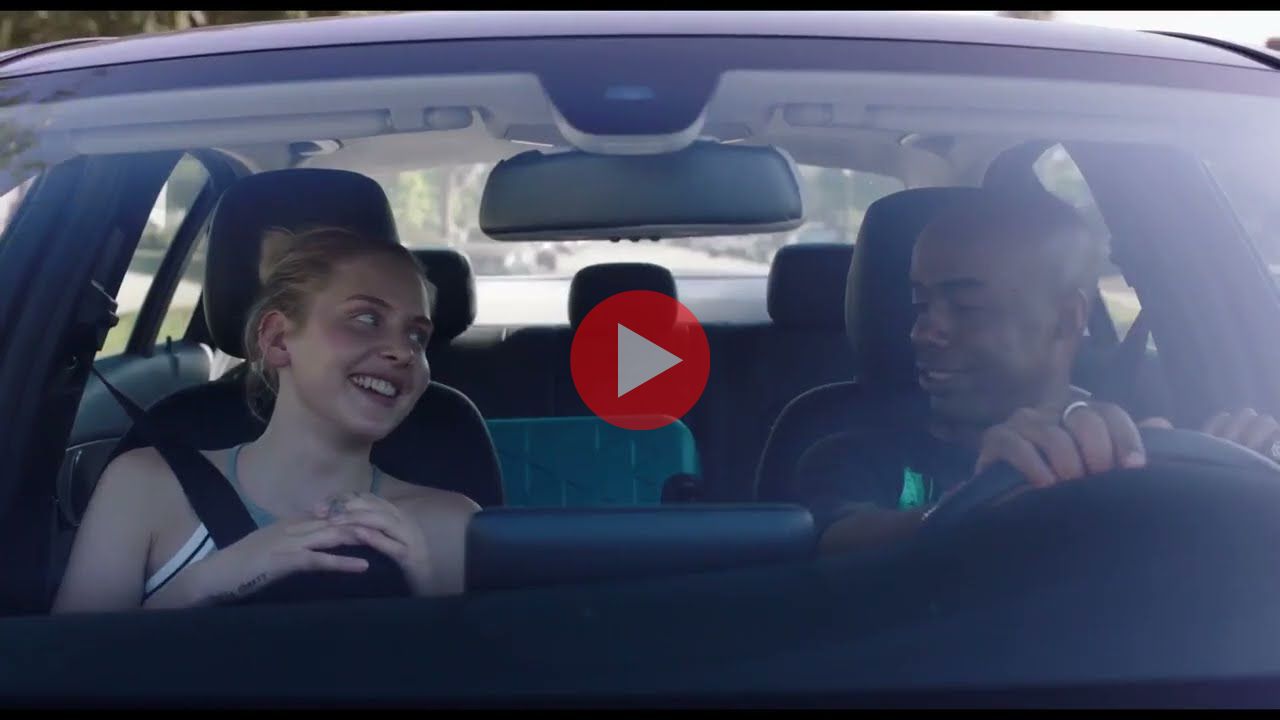
Pleasure (2021) offers a fictional but grounded look at many aspects of professional adult film production, including casting, directing, consent discussions, and the realities performers may face on set. It complements this article by helping readers visualise how production teams, studio workflows, and industry practices come together behind the camera.
Pre Production Planning, Budgets, And How A Shoot Gets Organized
Every adult film starts weeks before anyone steps on set. A producer or production company outlines the concept, secures funding, and creates a budget. That budget covers everything from location rental and crew pay to catering and post-production costs. Smaller independent shoots might operate on a few thousand dollars. Larger studio productions can stretch into six figures. The financial planning alone takes significant coordination, and one miscalculation can derail an entire project.
Once the budget is locked, the director builds a shot list and a detailed schedule. How adult movie scenes are filmed depends heavily on this planning phase. Talent gets booked based on availability, chemistry reads, and the creative direction. Locations get scouted and permitted. Equipment lists go out to rental houses. A production manager confirms every detail on a call sheet that the entire team receives the night before. Nothing about this process is casual or improvised.
I remember one shoot where the location fell through 48 hours before our start date. The production manager found a backup space, renegotiated the rate, and had the new address on the updated call sheet within hours. That kind of problem solving happens constantly. Pre-production is where 80% of the work gets done. If you handle it right, the shoot day runs smooth. Skip it, and everything falls apart fast.
Every Crew Role On Set And Why Each Position Exists
A professional adult film set has more people behind the camera than in front of it. The director calls the shots and guides the creative vision. The director of photography handles camera framing and visual storytelling. What an adult movie director does goes far beyond yelling “action” and “cut.” They manage talent comfort, creative flow, technical decisions, and timing. A good director keeps the set calm and productive.
Beyond the director, you have a lighting technician (or gaffer), a sound recordist, a production assistant, and often a makeup artist. On bigger sets, there might be a second camera operator, a set dresser, and a dedicated production coordinator. Each person has a specific job. The PA keeps things moving on schedule. The gaffer adjusts lights between setups. The sound tech monitors audio levels and flags background noise. Nobody stands around doing nothing. Every role exists because removing it would hurt the final product.
One thing that always catches newcomers off guard is the downtime between takes. Talent waits while the crew resets. Lights get repositioned. The camera angle changes. Makeup gets touched up. A ten minute scene on screen can take three to four hours to shoot. My girlfriend once visited a set during a lunch break and was stunned by how many cables, rigs, and monitors filled the space. She said it looked like a TV studio. Behind the scenes of adult movie production, that’s exactly how many professional sets feel, with every department working together before the cameras roll again.
Camera Work, Lighting Setups, And Sound Capture That Shape The Final Product
Professional productions rely on experienced camera crews and carefully planned lighting to create a polished look. Camera placement, framing, and movement help every scene feel smooth and natural. Lighting is adjusted throughout the shoot to flatter skin tones, reduce harsh shadows, and keep the visual quality consistent from beginning to end. These technical choices also influence the mood and pacing of each scene. Storytelling in adult films often reflects how well these visual elements work together.
Audio receives just as much attention during filming. Crew members work to reduce background noise and capture clear dialogue from the first take. Clean recordings make editing easier and help create a more professional finished production. Small technical adjustments made during filming often save significant time once the project reaches post production.
Production Element
Primary Focus
Why It Improves The Finished Movie
Camera Movement
Smooth tracking and stable framing
Creates a more immersive and comfortable viewing experience.
Scene Composition
Balanced positioning of performers and surroundings
Makes every shot appear organised and visually appealing.
Colour Consistency
Matching tones between every camera angle
Prevents distracting visual changes during scene transitions.
Set Environment
Controlling reflections, clutter, and background distractions
Keeps attention focused on the scene instead of unwanted details.
Production Coordination
Crew communication between every department
Helps filming move efficiently while maintaining consistent quality.
Health Protocols, Consent Practices, And On Set Safety Standards
Professional productions follow established health and safety procedures before filming begins. Performers complete required health screening, production teams review the schedule, and everyone understands the expectations before cameras start rolling. These standards help create an organised working environment while supporting professional production quality. Many high quality adult DVD productions reflect the planning and professionalism that happens well before filming starts.
Consent remains an important part of every professional production. Cast and crew discuss scene requirements, personal boundaries, and planned activities before filming. Throughout the day, communication stays open so adjustments can be made whenever needed. During one shoot, my wife laughed because I spent more time checking safety markers and equipment placement than watching the monitor. Good preparation keeps the entire production running smoothly.
Professional Set Priorities
Clear production schedules shared with every department.
Equipment inspections completed before filming begins.
Comfortable dressing and preparation areas for performers.
Production managers coordinate crew timing to minimise delays.
Post Production Editing, Color Grading, And Turning Raw Footage Into A Finished Film
Post production is where raw footage transforms into a polished final product. An editor reviews all the captured material, selects the best takes, and assembles them into a coherent sequence. A single scene might have footage from two or three camera angles across multiple takes. The editor cuts between angles to create visual variety and maintain pacing. Tight edits remove dead space, technical hiccups, and any moments where crew members accidentally step into frame.
Color grading follows the rough edit. A colorist adjusts skin tones, contrast, and overall mood. Raw footage from cinema cameras looks flat and desaturated by design. That flat profile preserves detail in highlights and shadows, giving the colorist maximum flexibility. Warm tones tend to dominate adult film grading. They create an inviting, flattering visual feel. Cool tones work for specific aesthetics or themed productions. The grading process alone can take a full day for a feature-length project.
Sound mixing, music licensing, and titling wrap up the final stages. The audio engineer balances dialogue levels, removes background hiss, and adds licensed music tracks or ambient soundscapes. Title cards, credits, and studio branding get layered in. Then the final file exports in multiple formats for DVD, streaming platforms, and digital download stores. Behind the scenes of adult movie production, this post-production stage often takes as much care as filming itself. From the first pre production meeting to the final export, a single adult film can take three to six weeks of total work.
Explore More About Adult Movie Production
Expand your knowledge of professional adult filmmaking with these related articles covering filming, directing, script planning, crew responsibilities, and the history of the industry.
How Adult Movie Scenes Are Filmed
See how professional crews plan, film, light, and capture every scene from start to finish.
What Does An Adult Movie Director Do?
Discover how directors coordinate performers, crew, cameras, and production on every shoot.
A Brief History Of Adult Movie Production
Follow the evolution of adult movie production from early film reels to today’s digital studios.
How Adult Movie Scripts Are Planned
Learn how scripts shape the story, production schedule, and filming process before cameras roll.
Who Works On An Adult Film Crew?
Meet the professionals behind the camera who keep every production organised and running smoothly.
Experience Professional Storytelling With Lesbian Companions #02
If this look behind the scenes of adult movie production has given you a greater appreciation for professional filmmaking, Lesbian Companions #02 is a fitting example of a studio produced release. It showcases the polished camera work, lighting, production quality, and scene direction discussed throughout this article, making it a natural choice for viewers who appreciate well-produced adult DVDs.
Explore This DVD! Lesbian Companions #02
FAQs About Behind The Scenes Of Adult Movie Production
How long does professional adult movie production usually take?
Production timelines vary by project size. A simple scene may be completed in a day, while larger productions can take several days when planning, filming, and post production are included.
Who works behind the scenes during adult movie production?
A typical crew includes a director, camera operators, lighting technicians, makeup artists, production assistants, and editors. Each role helps create a polished final production.
Why are scenes filmed from multiple camera angles?
Multiple angles provide editors with more footage to work with and help create smoother scene transitions. Different perspectives also improve the overall viewing experience.
What happens after filming has finished?
Editors review the footage, select the strongest takes, adjust colour and sound, and assemble the final production. This stage shapes the finished movie before release.
What separates a professional production from an amateur one?
Professional productions rely on experienced crews, organised planning, quality lighting, multiple cameras, and careful editing. These elements create a more polished and consistent result.
KellyCamera Operator
Kelly is a seasoned adult film videographer with over 10 years of experience working behind the camera with multiple studios. Known for his sharp eye and professional crew work, he also contributes to the Adultsmart blog.
To provide the best experiences, we use technologies like cookies to store and/or access device information. Consenting to these technologies will allow us to process data such as browsing behavior or unique IDs on this site. Not consenting or withdrawing consent, may adversely affect certain features and functions.
Functional
Always active
The technical storage or access is strictly necessary for the legitimate purpose of enabling the use of a specific service explicitly requested by the subscriber or user, or for the sole purpose of carrying out the transmission of a communication over an electronic communications network.
Preferences
The technical storage or access is necessary for the legitimate purpose of storing preferences that are not requested by the subscriber or user.
Statistics
The technical storage or access that is used exclusively for statistical purposes.The technical storage or access that is used exclusively for anonymous statistical purposes. Without a subpoena, voluntary compliance on the part of your Internet Service Provider, or additional records from a third party, information stored or retrieved for this purpose alone cannot usually be used to identify you.
Marketing
The technical storage or access is required to create user profiles to send advertising, or to track the user on a website or across several websites for similar marketing purposes.
To provide the best experiences, we use technologies like cookies to store and/or access device information. Consenting to these technologies will allow us to process data such as browsing behavior or unique IDs on this site. Not consenting or withdrawing consent, may adversely affect certain features and functions.
Functional
Always active
The technical storage or access is strictly necessary for the legitimate purpose of enabling the use of a specific service explicitly requested by the subscriber or user, or for the sole purpose of carrying out the transmission of a communication over an electronic communications network.
Preferences
The technical storage or access is necessary for the legitimate purpose of storing preferences that are not requested by the subscriber or user.
Statistics
The technical storage or access that is used exclusively for statistical purposes.The technical storage or access that is used exclusively for anonymous statistical purposes. Without a subpoena, voluntary compliance on the part of your Internet Service Provider, or additional records from a third party, information stored or retrieved for this purpose alone cannot usually be used to identify you.
Marketing
The technical storage or access is required to create user profiles to send advertising, or to track the user on a website or across several websites for similar marketing purposes.